
"19th Century"
600 article(s) found

Taiwan Coffee Culture Coffee in Taiwan
In the 18th century, in 1884 (Guang Xu's 10th year), the British introduced coffee for trial planting in the three Gorges of Taipei. during the Japanese occupation era, the Japanese saw that Taiwan's climate and soil were suitable for coffee, so they introduced "Arabica" from abroad and successfully planted it in the north. Mizuho invested a lot in planting and had a good yield. In the 19th century, in 1941, the output was rich, the quality and flavor was good, which made coffee in Taiwan's complete victory period. No.

Introduction to the flavor of Kenyan coffee
Coffee entered Kenya in the 19th century, when Ethiopian coffee drinks were imported into Kenya through southern Yemen. But it was not until the early 20th century that the Bourbon Coffee Tree was created by the St. Austen Mission (St). Austin Mission) is introduced. Kenyan coffee is mostly grown at an altitude of 1500 to 2100 meters and is harvested twice a year. To ensure that only ripe berries are picked, people must
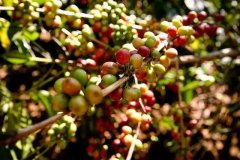
Taiwan Coffee Flavor Coffee Taiwan Coffee Culture
In the 18th century, in 1884 (Guang Xu's 10th year), the British introduced coffee for trial planting in the three Gorges of Taipei. during the Japanese occupation era, the Japanese saw that Taiwan's climate and soil were suitable for coffee, so they introduced "Arabica" from abroad and successfully planted it in the north. Mizuho invested a lot in planting and had a good yield. In the 19th century, in 1941, the output was rich, the quality and flavor was good, which made coffee in Taiwan's complete victory period. No.

Hawaiian Coffee History Hawaiian Coffee Location Hawaiian Coffee How to drink it correctly
Professional coffee knowledge exchange More coffee bean information Please pay attention to coffee workshop (Weixin Official Accounts cafe_style) History Coffee trees came to Hawaii in various ways in the early 19th century One way was in 1825. British steamer H.M.S. Blonde brought coffee trees from Brazil. These trees were planted on Oahu and then spread to other islands. The first real coffee growing.

Characteristics of Puerto Rican coffee beans in San Pedro Manor
Professional coffee knowledge exchange more coffee bean information please follow the coffee workshop (Wechat official account cafe_style) the whole history of coffee in the Caribbean has a lot to do with the Spanish reclamation, coffee was not that important in the 18th century, the main task was to grow sugar-producing crops in the fertile valleys, and in the early 19th century (1800) the French territories were in turmoil in Europe.

Taiwan coffee flavor Taiwan grows its own coffee
In the 18th century, in 1884 (Guang Xu's 10th year), the British introduced coffee for trial planting in the three Gorges of Taipei. during the Japanese occupation era, the Japanese saw that Taiwan's climate and soil were suitable for coffee, so they introduced "Arabica" from abroad and successfully planted it in the north. Mizuho invested a lot in planting and had a good yield. In the 19th century, in 1941, the output was rich, the quality and flavor was good, which made coffee in Taiwan's complete victory period. No.

The course of Kenyan Coffee Culture Kenyan Coffee handling
Coffee entered Kenya in the 19th century, when Ethiopian coffee drinks were imported into Kenya through southern Yemen. But it was not until the early 20th century that the Bourbon Coffee Tree was created by the St. Austen Mission (St). Austin Mission) is introduced. Kenyan coffee is mostly grown at an altitude of 1500 to 2100 meters and is harvested twice a year. To ensure that only ripe berries are picked, people must

Small fruit coffee (scientific name: Coffea arabica) also known as Arabica (Arabica)?
Small fruit coffee (scientific name: Coffea arabica), also known as Arabica (Arabica), is the most traditional Arabica coffee variety. Originally from East Africa, coffee was monopolized by the Arab world for a long time before the 15th century, so it was called Arabian coffee by Europeans. It turns out that all the commercial coffee in the world is small fruit coffee, but at the end of the 19th century, there was a big noodle.

An introduction to the origin of Taiwan coffee in China
In the 18th century, in 1884 (Guang Xu's 10th year), the British introduced coffee to the three Gorges in Taipei. during the Japanese occupation, the Japanese saw that Taiwan's climate and soil were suitable for coffee, so they introduced "Arabica" from abroad and successfully planted it in the north. Mizuho invested heavily in planting and had a good yield. In the 19th century, in 1941, the output was rich, the quality and flavor was good, which made coffee in Taiwan's complete victory period. No.

Taiwan Fine Coffee Coffee grown in Taiwan delicious Taiwan Coffee
In the 18th century in Taiwan, China, in 1884 (the 10th year of Guang Xu), the British introduced coffee to the three Gorges in Taipei. during the Japanese occupation, the Japanese saw that Taiwan's climate and soil were suitable for coffee, so they introduced "Arabica" from abroad and successfully planted it in the north. Mizuho invested a lot in planting and had a good yield. In the 19th century, 1941, rich output, good quality and flavor led to the complete victory of coffee in Taiwan.

Boutique coffee beans knowledge coffee producing area Kenya
Coffee entered Kenya in the 19th century, when Ethiopian coffee drinks were imported into Kenya through southern Yemen. But it was not until the early 20th century that the Bourbon Coffee Tree was created by the St. Austen Mission (St). Austin Mission) is introduced. Kenyan coffee is mostly grown at an altitude of 1500 to 2100 meters and is harvested twice a year. To ensure that only ripe berries are picked, people must

Santos Coffee gives you a feast of olfactory aroma
At the beginning of the 19th century, coffee cultivation in Brazil had spread all over the country, followed by a coffee boom that lasted nearly a century. To taste Santos coffee, not only drink it, but smell it. Acidity (Acidity) coffee intake, light taste left on the tip of the tongue. The sour word seems to sting the eye, in fact, coffee beans fruit flavor and fresh vitality, just like wine, are contained in its sour

Kenyan Coffee Culture starts and ends the Development of Kenyan Coffee
Coffee entered Kenya in the 19th century, when Ethiopian coffee drinks were imported into Kenya through southern Yemen. But it was not until the early 20th century that the Bourbon Coffee Tree was created by the St. Austen Mission (St). Austin Mission) is introduced. Kenyan coffee is mostly grown at an altitude of 1500 to 2100 meters and is harvested twice a year. To ensure that only ripe berries are picked, people must

Santos Coffee-bring you a fragrant feast of smell
At the beginning of the 19th century, coffee was grown all over the country, followed by a coffee boom that lasted nearly a century. Taste Santos coffee, not only drink it, but also smell it. Acidity (Acidity) coffee after the entrance, light left on the tip of the tongue taste. The sour word looks eye-catching, but in fact, the original taste and fresh vitality of coffee beans, like wine, are contained in its sour taste.

Kenya Coffee-Kenya Coffee
Coffee arrived in Kenya in the 19th century, when Ethiopian coffee drinks were imported to Kenya via South Yemen. But it wasn't until the early 20th century that bourbon coffee trees were introduced by St. Austin's Mission (St. Austin Mission) was introduced. Kenyan coffee is mostly grown at altitudes of 1,500 to 2,100 meters and harvested twice a year. To ensure that only ripe berries are picked, people must be present
The Evolution of Italian enrichment espresso Machine
From the first discovery of coffee in the 6th century AD to its introduction into Europe in the 16th century, to the global expansion of the coffee chain represented by Starbucks in the 1970s, the advent of espresso machines is a very important page in this long 1500-year history. In the 19th century, when European powers such as Britain, France and the West Netherlands carved up the territory of coffee production and cultivation, Italy did not grab one.

Colombian Coffee Flavor introduces Colombian Coffee hand data how to drink Colombian coffee
Professional coffee knowledge exchange more coffee bean information please follow the coffee workshop (Wechat official account cafe_style) the history of Colombian coffee can be traced back to the Spanish colonial era in the 16th century, from Haiti in the Caribbean, through El Salvador. In addition, it is said to have begun between the second half of the 18th century and the first half of the 19th century. The main coffee in Colombia is cultivated in Ann.

Popular Kenyan coffee African flavor coffee
Coffee entered Kenya in the 19th century, when Ethiopian coffee drinks were imported into Kenya through southern Yemen. But it was not until the early 20th century that the Bourbon Coffee Tree was created by the St. Austen Mission (St). AustinMission) is introduced. Kenyan coffee is mostly grown at an altitude of 1500 to 2100 meters and is harvested twice a year. To ensure that only ripe berries are picked, people must be in the forest
Basic knowledge of boutique coffee roasting Yang family roaster coffee roaster Italian blending
The idea of roasting coffee over fire probably came from Ethiopia in the 13th century. In the following 700 years, people did not make much improvement to the roasting techniques of coffee. At that time, most people baked coffee at home or in coffee shops and made coffee directly from freshly baked beans. It was not until the mid-19th century that cylindrical coffee roasters were invented. From the first opening

Characteristics of Kenyan Coffee introduction to Berman Manor in Nyeri Central Dashan area
It originated in Kenya in the 19th century, when Ethiopian coffee drinks were imported to Kenya through Southern Yemen. But it was not until the early 20th century that the bourbon was introduced by the St. Austen Mission (St.AustinMission). Kenyan coffee is mostly grown at an altitude of 1500m, 2100m, and is harvested twice a year. To ensure that only ripe berries are picked, people must